
How Artificial Intelligence is Transforming Modern Conflicts
Share
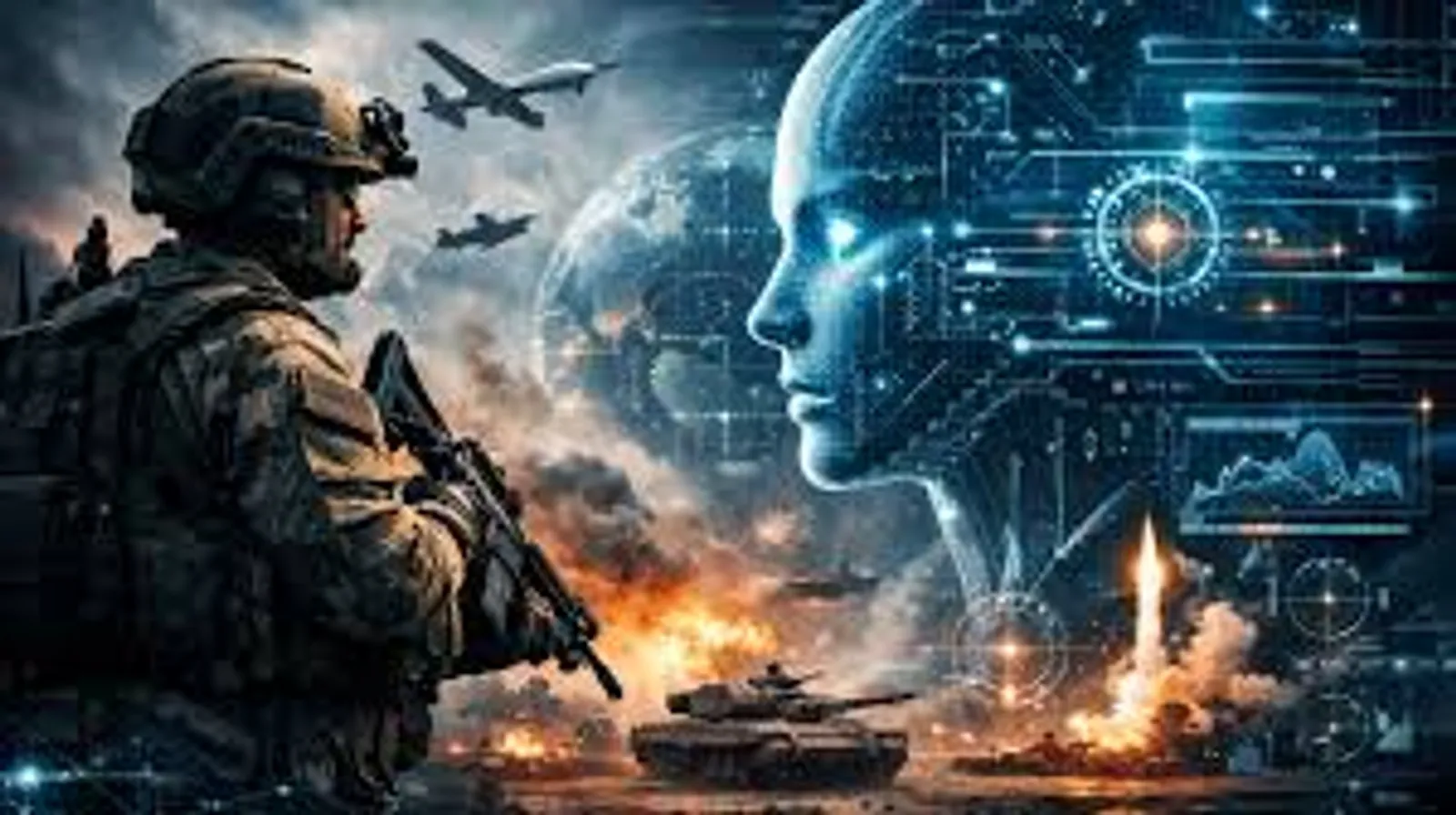
In recent years, artificial intelligence (AI) has rapidly evolved, affecting industries from healthcare to finance. One of the most significant—and controversial—areas where AI is making an impact is in warfare. The intersection of AI and military technology is reshaping global conflicts and raising ethical, strategic, and technological questions that governments and organizations must address.
How AI is Changing Warfare
Autonomous Weapons Systems
AI enables the development of autonomous drones, tanks, and naval systems capable of executing missions with minimal human intervention. These systems can process vast amounts of battlefield data, make decisions in real time, and respond faster than human soldiers.Predictive Analytics and Strategic Planning
AI can analyze historical conflict data, satellite imagery, and battlefield intelligence to predict enemy movements or identify strategic advantages. This improves decision-making speed and accuracy for military commanders.Cyber Warfare
AI is increasingly used in cyber operations, from detecting vulnerabilities in enemy networks to launching automated attacks. Its ability to learn and adapt makes cyber defense and offense more sophisticated than ever.Surveillance and Reconnaissance
Machine learning algorithms process satellite images, social media data, and sensor inputs to provide real-time intelligence. This improves situational awareness and reduces risks for soldiers on the ground.
Ethical and Global Implications
The rise of AI in warfare brings significant ethical concerns. Autonomous weapons that can make life-and-death decisions raise questions about accountability and international law. Additionally, the potential for AI-driven conflicts to escalate rapidly increases global instability, making diplomacy and regulation more critical than ever.
The Future of AI in Military Conflicts
Experts predict that AI will continue to play a pivotal role in defense strategies worldwide. Nations investing in AI research will have a strategic advantage, potentially reshaping global power dynamics. However, collaboration on international standards and treaties will be necessary to prevent misuse and unintended escalation.
Conclusion
AI is no longer just a technological advancement—it is becoming a strategic force in modern warfare. While its potential to save lives and improve decision-making is immense, unchecked development could lead to unintended consequences. Understanding AI’s role in military applications is essential for policymakers, technologists, and the global community to ensure a safer and more controlled future.